Advertisement

This page tells all about the scarcely known story of Maine's Popham Colony.
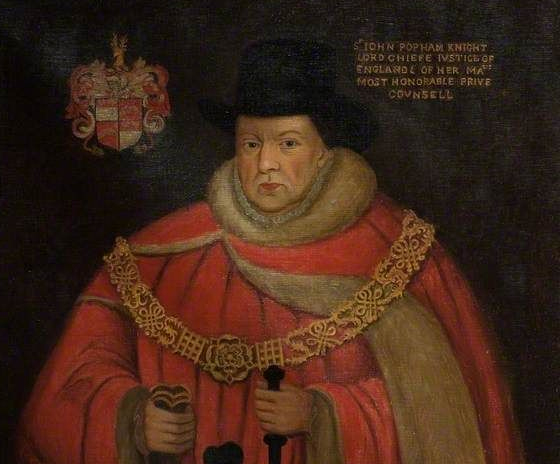
Popham Colony
The Popham Colony was a short-lived English settlement established in present-day Maine in 1607, only a few months after Jamestown. Although it lasted less than a year, it became one of the earliest English attempts to establish a permanent colony in New England.
The First Settlement in New England
The Popham Colony was a little-known English colony founded in 1607, just months after the Jamestown settlement in Virginia. Unlike Jamestown, the Popham Colony was established much farther north, in present-day Maine. It was one of the earliest English settlements in the region that would later become known as New England.
A Settlement in Maine
On May 31, 1607, about 120 settlers left Plymouth, England, bound for North America. They were sponsored by the Plymouth Company, a rival of the Virginia Company that had helped establish Jamestown. The colonists hoped to profit from the region's natural resources, including timber, furs, and other valuable goods. The settlement became known as the Popham Colony because one of its leaders was George Popham. The first ship arrived in August 1607, followed a few days later by a second vessel. The colonists, who included gentlemen, artisans, farmers, and traders, began building a star-shaped fort called Fort St. George near the Kennebec River. They also constructed a chapel, guardhouse, storehouse, and cooperage for making barrels.
Should We Stay or Should We Go?
The colony struggled almost immediately. Because the settlers arrived late in the summer, they had little time to plant crops before winter, and relations with nearby Abenaki communities were still developing. Many settlers chose to return to England, while others remained at Fort St. George through the harsh Maine winter. Of the roughly 45 colonists who stayed, nearly all survived. George Popham was the only colonist known to have died during the winter.
Colony Abandoned
In the spring of 1608, the colonists built a small ship called the Virginia, demonstrating that the settlement had potential as a shipbuilding center. The vessel was one of the earliest English ships constructed in North America. By this time, the colonists had also established trade with local Abenaki people and sent furs and other goods back to England. When a returning ship brought news that the brother of the colony's new leader, Raleigh Gilbert, had died and that Gilbert had inherited a family estate, he decided to return to England. The remaining settlers soon followed, and the Popham Colony was abandoned less than a year after it had been established.
Why it mattered: Although the Popham Colony failed, it showed that English colonists were actively attempting to establish settlements in New England years before Plymouth Colony was founded.
Popham Colony Articles and Activities
- Popham Colony Reading Passage and Critical Thinking Multiple Choice Questions - Printable
- Popham Colony Reading Passage and Critical Thinking Multiple Choice Questions - Online
13 Colonies Navigation
- Massachusetts Bay Colony
- New Hampshire Colony
- Connecticut Colony
- Rhode Island Colony
- New York Colony
- New Jersey Colony
- Pennsylvania Colony
- Delaware Colony
- Maryland Colony
- Virginia Colony
- North Carolina Colony
- South Carolina Colony
- Georgia Colony
Other 13 Colonies Articles
Advertisement

Related activities
Advertisement