Advertisement

This article discusses the increasing hostility between Puritan settlers in Massachusetts and local Native groups that culminated in the deadly war.
King Philip's War and Metacom
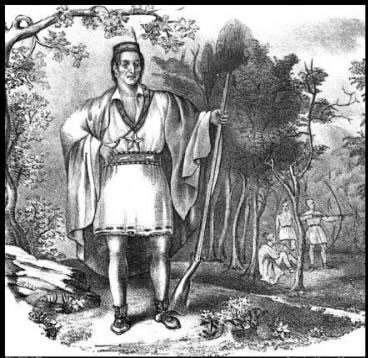
King Philip's War, fought from 1675 to 1676, was one of the deadliest conflicts between Native peoples and English colonists in seventeenth-century New England. The war was led on the Native side by Metacom, the Wampanoag leader whom the English called King Philip.
Growing Tensions in New England
As English settlement expanded across New England, Native communities increasingly lost land and political independence. Earlier conflicts, including the Pequot War of the 1630s, had already shown how violent relations between colonists and Native peoples could become. Over time, English settlements continued to grow, missionary efforts expanded, and pressure on Native lands increased.
Metacom Resists English Expansion
The Wampanoag leader Massasoit, who had maintained an alliance with the Plymouth colonists, died in 1661. His son Metacom later became an important Wampanoag leader. Metacom grew increasingly suspicious of English expansion and believed that continued colonial settlement threatened Native land, independence, and traditional ways of life. In 1675, open warfare erupted. Metacom's forces were joined by warriors from several Native communities, and attacks spread throughout Massachusetts, Rhode Island, and other parts of New England. Numerous English settlements were attacked or destroyed, including Providence, Rhode Island.
Terrible Violence and the Death of Metacom
English colonists and their Native allies responded with overwhelming military force, and the war became extremely destructive for both sides. Entire communities were burned, civilians were killed, and thousands of Native people died from combat, hunger, disease, or displacement. Many Native captives were also sold into slavery. The war ended after Metacom was tracked down and killed in 1676. The defeat shattered organized Native resistance across much of southern New England and greatly expanded English control of the region.
Why it mattered: King Philip's War devastated both Native communities and English settlements, but its aftermath dramatically strengthened colonial control over southern New England and permanently altered the balance of power in the region.
Massachusetts Loses Its Charter
In the years following the war, the English crown increased its scrutiny of the Massachusetts Bay Colony. Massachusetts leaders had repeatedly challenged royal authority by enforcing their own religious policies, minting money, and resisting some of England's trade laws. In 1684, the colony's original charter was revoked, ending the old Massachusetts Bay government and allowing the crown to exercise greater control over the colony.
King Philip's War Articles and Activities
- King Philip's War Reading Passage and Critical Thinking Multiple Choice Questions - Printable
- King Philip's War Reading Passage and Critical Thinking Multiple Choice Questions - Online
13 Colonies Navigation
- Massachusetts Bay Colony
- New Hampshire Colony
- Connecticut Colony
- Rhode Island Colony
- New York Colony
- New Jersey Colony
- Pennsylvania Colony
- Delaware Colony
- Maryland Colony
- Virginia Colony
- North Carolina Colony
- South Carolina Colony
- Georgia Colony
Other 13 Colonies Articles
Advertisement

Related activities
Advertisement