Advertisement

This page tells about the history of the Massachusetts Colony.
Massachusetts Colony
The Massachusetts Colony developed from two important English settlements: Plymouth Colony, founded by the Pilgrims in 1620, and the Massachusetts Bay Colony, founded by Puritans in 1629. Together, these settlements helped make Massachusetts one of the most influential colonies in New England.
Plymouth Colony and the Mayflower Compact
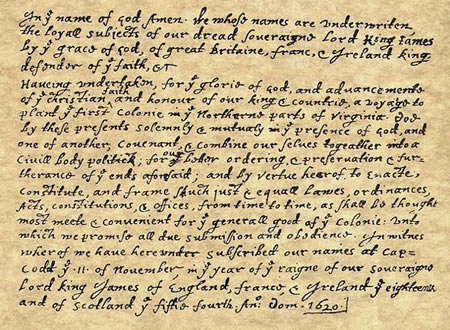
The story of colonial Massachusetts began in 1620, when the Pilgrims arrived from England aboard the Mayflower and established Plymouth Colony. Although the settlers suffered terribly from disease, hunger, and the harsh New England winter, they created the Mayflower Compact, an agreement that established rules for local government and cooperation within the colony. Local Wampanoag people, including leaders associated with Chief Massasoit, helped the settlers learn how to survive in their new environment and grow food. About half of the original Mayflower passengers survived the first winter. In 1621, the Pilgrims and Wampanoag participated in a harvest celebration that later became associated with the story of the first Thanksgiving.
The Massachusetts Bay Colony
In 1629, Puritans founded the Massachusetts Bay Colony, with Boston becoming its most important town. The colony grew rapidly and soon became a major economic, political, and religious center of New England. Unlike the Pilgrims, who had separated from the Church of England, the Puritans hoped to reform or "purify" the church according to their religious beliefs.
Religious Intolerance and New Colonies
Although the Puritans came to America seeking the ability to build a community based on their own religious beliefs, they did not generally support religious freedom for people who disagreed with them. Religious dissenters could be punished, banished, or forced to leave Massachusetts. Roger Williams, who challenged Puritan leaders on questions of religion and government, left Massachusetts and helped establish Rhode Island. Thomas Hooker later led settlers into the Connecticut River Valley and helped establish the Connecticut Colony.
Why it mattered: Massachusetts became one of the most important colonies in New England, influencing American ideas about local government, religion, education, and community life.
13 Colonies Navigation
- Massachusetts Bay Colony
- New Hampshire Colony
- Connecticut Colony
- Rhode Island Colony
- New York Colony
- New Jersey Colony
- Pennsylvania Colony
- Delaware Colony
- Maryland Colony
- Virginia Colony
- North Carolina Colony
- South Carolina Colony
- Georgia Colony
Other 13 Colonies Articles
Advertisement

Related activities
Advertisement