Advertisement

This page describes the land, economy, culture, and religions of the Southern Colonies
The Southern Colonies were Maryland, Virginia, North Carolina, South Carolina, and Georgia. Located in the southern part of the 13 Colonies, the region was known for its warm climate, long growing season, fertile farmland, cash crops, plantations, and an economy built heavily around agriculture.
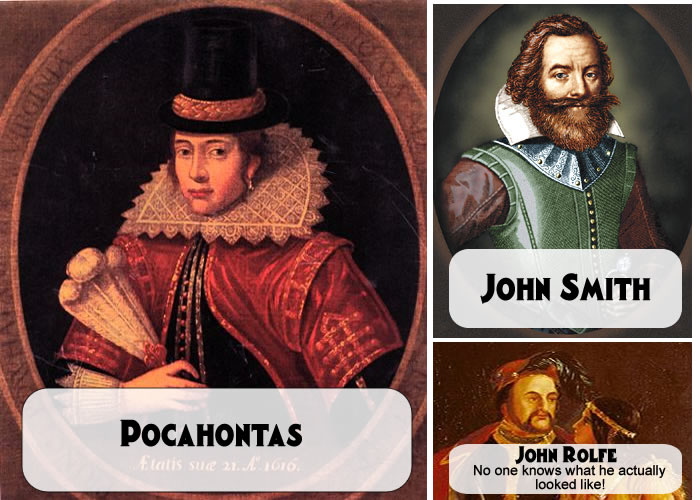
People of Jamestown
Which Colonies Were the Southern Colonies?
Southern Colonies at a Glance
| Colony | Economy and Resources | Religion and Culture | Important Features |
|---|---|---|---|
| Maryland | Farming and cash crops | Founded in part as a refuge for English Catholics | Plantation agriculture and access to Chesapeake Bay |
| Virginia | Tobacco farming and plantation agriculture | Anglican influence was strong | Jamestown was the first permanent English settlement in America |
| North Carolina | Farming, timber, and trade | Religious life was varied across settlements | Many farms and settlements were spread across a large rural area |
| South Carolina | Rice, indigo, plantation agriculture, and trade | Anglican influence was important in many communities | Charleston became a major port and center of commerce |
| Georgia | Farming and trade | Religious and cultural life developed as the colony grew | The southernmost of the original 13 Colonies |
Climate and Geography of the Southern Colonies
The Southern Colonies had a warm climate with hot summers and mild winters. Geography ranged from coastal plains in the east to piedmont farther inland, while the westernmost areas were mountainous.
The soil was well suited for farming, and the growing season was longer than in the New England and Middle Colonies. These conditions helped agriculture become the foundation of the Southern economy. Hot summers also contributed to the spread of diseases such as malaria and yellow fever.
Why Was Agriculture So Important in the Southern Colonies?
The Southern Colonies had fertile land and a long growing season, which made it possible to grow large amounts of crops. Agriculture became the dominant part of the regional economy, especially on large plantations.
Cash crops included tobacco, rice, indigo, sugarcane, and cotton. These crops were grown for sale and export rather than only for local use.
Religion in the Southern Colonies
Religion was important in the Southern Colonies, but it generally did not shape community life in the same way it did in New England. Many settlers were Anglican, while other religious groups were also present.
Maryland was distinctive because many of its early settlers were Catholic, and Lord Baltimore founded the colony in part as a refuge for English Catholics.
Southern settlements were often spread across large rural areas and plantations, so churches and towns were sometimes farther apart than in more densely settled regions.
Economy of the Southern Colonies
The Southern economy was based largely on farming. Plantation owners produced crops for sale in colonial and overseas markets, while ports connected the region to broader Atlantic trade networks.
Rice, indigo, tobacco, sugarcane, and cotton were among the important cash crops associated with the Southern Colonies. Large plantations became especially important in several colonies.
Slavery and Labor in the Southern Colonies
Plantation agriculture relied heavily on labor from enslaved Africans and, especially in the earlier colonial period, indentured servants. Enslaved people performed much of the difficult agricultural labor that supported plantation wealth.
Charleston, South Carolina, became an important center of the American slave trade during the 1700s. The forced labor of enslaved Africans became deeply connected to the economy and society of the Southern Colonies.
How Were the Southern Colonies Different from the Other Colonial Regions?
| Region | Geography | Economy | Religion and Society |
|---|---|---|---|
| New England Colonies | Rocky soil, forests, cold winters, and a long coastline | Fishing, shipbuilding, trade, logging, crafts, and small farms | Puritan influence was especially strong in Massachusetts and Connecticut |
| Middle Colonies | Fertile farmland, rivers, good harbors, and a moderate climate | Grain farming, trade, shipping, manufacturing, and crafts | Especially diverse in religion, ethnicity, and culture |
| Southern Colonies | Long growing seasons, fertile coastal plains, and warm climate | Plantation agriculture and major cash crops | Plantation agriculture strongly influenced society and settlement |
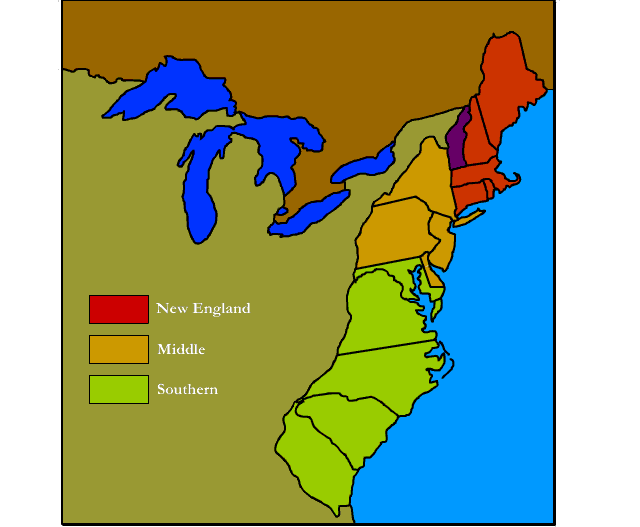
Regions of the 13 Colonies
Explore the Three Regions of the 13 Colonies
Southern Colonies and 13 Colonies Activities
Continue learning about the Southern Colonies and the other colonial regions with these interactive activities and classroom resources.
- Southern Colonies Correct-Me Passage
- 13 Colonies Regions Categorization by Colony
- 13 Colonies Regions Categorization by Fact
- New England Colonies Correct-Me Passage
- Middle Colonies Correct-Me Passage
More Articles About Life in the 13 Colonies
- Life in Puritan Massachusetts
- Who Were the Quakers?
- Tobacco in the Southern Colonies
- History of Cotton in America
- Indigo in the South Carolina Colony
- Highlights of a Colonial Town: Williamsburg
13 Colonies Reading Comprehension Activities
- Life in Puritan Massachusetts Reading Passage and Critical Thinking Questions - Printable
- Life in Puritan Massachusetts Reading Passage and Critical Thinking Questions - Online
- Who Were the Quakers? Reading Passage and Critical Thinking Questions - Printable
- Who Were the Quakers? Reading Passage and Critical Thinking Questions - Online
- Tobacco in the Southern Colonies Reading Passage and Critical Thinking Questions - Printable
- Tobacco in the Southern Colonies Reading Passage and Critical Thinking Questions - Online
- History of Cotton Reading Passage and Critical Thinking Questions - Printable
- History of Cotton Reading Passage and Critical Thinking Questions - Online
- Religion in the 13 Colonies Compare-and-Contrast Reading Comprehension
Teaching the 13 Colonies?
Use the free activities above, then explore additional interactive games, reading-comprehension activities, maps, printable resources, and subscriber-only 13 Colonies materials for deeper practice and classroom use.
Advertisement

Related activities
Advertisement