Advertisement

This article describes the different ideologies of two prominent figures within the abolitionist movement: Frederick Douglass and William Lloyd Garrison.
During the Civil War era, two figures emerged as prominent voices in the abolitionist movement: Frederick Douglass and William Lloyd Garrison. Both men were fervent abolitionists committed to the cause of emancipation, yet they supported different ideologies that sparked intense debates within the anti-slavery movement.
Frederick Douglass
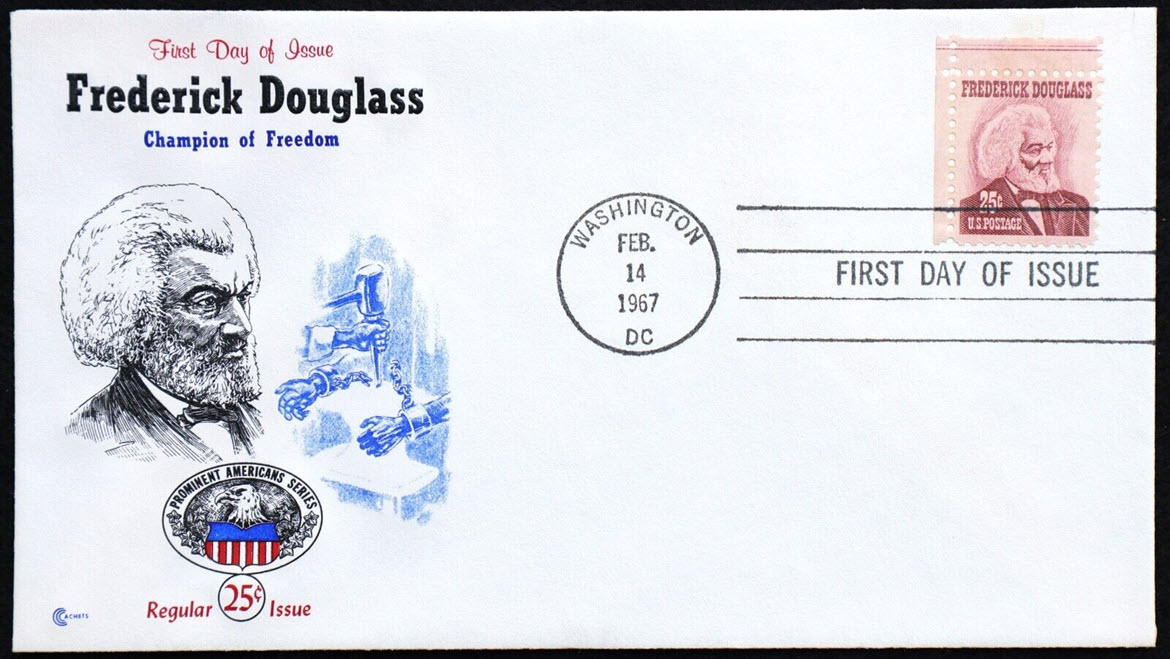
Frederick Douglass, born into slavery in Maryland in 1818, escaped bondage in 1838 and became one of the most eloquent and influential advocates for abolition. Douglass's experiences as a former slave imbued his activism with a sense of urgency and personal conviction. He believed in the power of education, self-improvement, equal rights, and political activism to effect change, advocating for a pragmatic approach to ending slavery.
William Lloyd Garrison

William Lloyd Garrison, on the other hand, was a fiery and uncompromising abolitionist who viewed slavery as a moral abomination that must be eradicated through immediate and unconditional emancipation. Garrison, the founder of the abolitionist newspaper "The Liberator," believed in the power of moral suasion, nonviolent resistance, and moral purity to achieve abolition. He rejected political compromise and legalistic approaches, calling for a total and uncompromising rejection of slavery and racism.
Major Disagreement
One of the key points of contention between Douglass and Garrison was their approach to the Constitution. Garrison famously denounced the Constitution as a "covenant with death and an agreement with hell" for its compromises with slavery, while Douglass argued that the Constitution was a "glorious liberty document" that could be used to advance the cause of abolition. This fundamental disagreement underscored their differing views on the role of political engagement and reform within the anti-slavery movement.
Related activities
Advertisement