
Advertisement

This articles describes the kidnapping of Pocahontas in the early years of the Jamestown settlement.
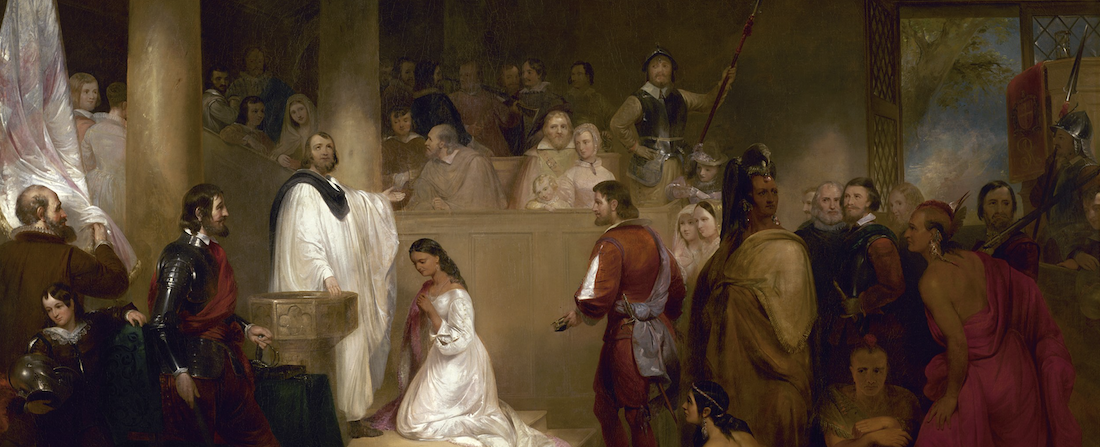
The Kidnapping of Pocahontas
The story of Pocahontas, the daughter of Powhatan who became closely connected to the English settlement at Jamestown, has been told and retold for centuries. Behind the famous stories about Pocahontas, however, lies a more complicated episode: her capture by English colonists in 1613 and the major changes that followed in her life.
Tensions Between Jamestown and the Powhatan
In the early seventeenth century, relations between the English settlers at Jamestown and the Powhatan Confederacy were often tense and sometimes violent. Pocahontas, the daughter of Powhatan, became one of the best-known figures connecting the two groups. Her interactions with the English, including the famous story that she intervened to save John Smith, have often been romanticized. Historians continue to debate exactly what happened during some of these early encounters.
The Kidnapping of Pocahontas
In 1613, Pocahontas was visiting people associated with the Patawomeck when English captain Samuel Argall arranged for her capture. The English hoped to use Pocahontas as leverage in negotiations with her father, Powhatan, particularly over English prisoners and weapons. Her capture became part of the larger struggle for power between the English settlers and the Powhatan peoples.
The exact circumstances surrounding her capture remain debated. Some accounts describe Pocahontas as being taken against her will, while other interpretations suggest that members of the Patawomeck may have cooperated with the English. What is clear is that Pocahontas was taken into English custody and remained separated from her family and community.
Life in Captivity
Following her capture, Pocahontas was held by the English for more than a year. During this period, she was instructed in Christianity, baptized, and given the English name Rebecca. She later met tobacco planter John Rolfe, and the two married in 1614. Their marriage helped produce a period of relative peace between the English colonists and the Powhatan peoples that lasted for several years.
Why it mattered: The capture of Pocahontas reveals how diplomacy, coercion, cultural change, and conflict were often intertwined in relations between Native peoples and English colonists at Jamestown.
13 Colonies Navigation
- Massachusetts Bay Colony
- New Hampshire Colony
- Connecticut Colony
- Rhode Island Colony
- New York Colony
- New Jersey Colony
- Pennsylvania Colony
- Delaware Colony
- Maryland Colony
- Virginia Colony
- North Carolina Colony
- South Carolina Colony
- Georgia Colony
Other 13 Colonies Articles
Advertisement

Related activities
Advertisement