Advertisement

This article provides a brief overview of the Virginia Headright System, in which land was given to those who could bring settlers to the region.
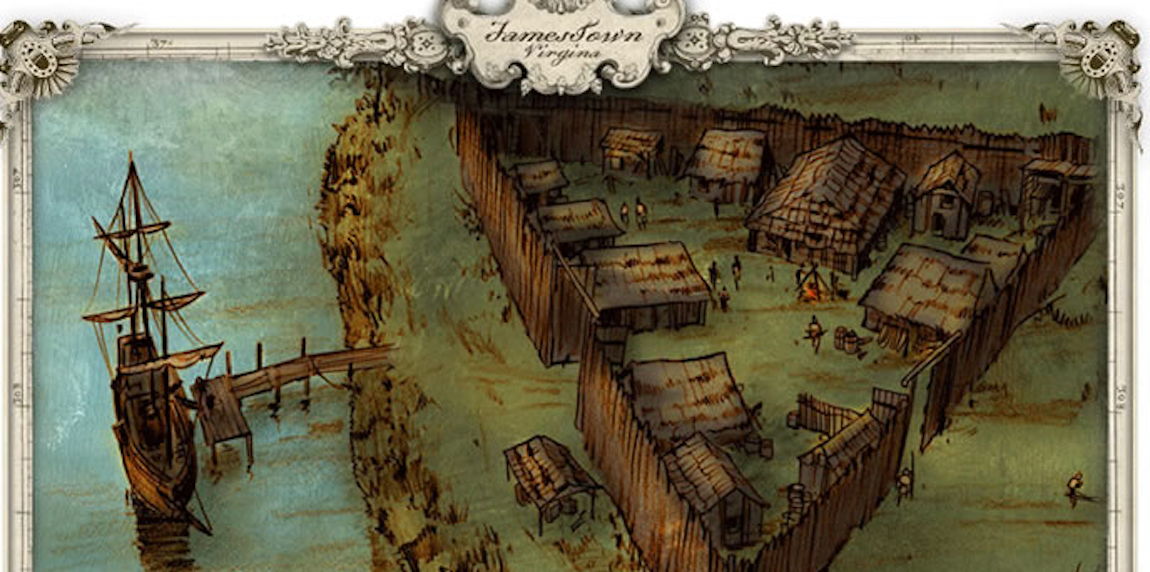
The Headright System
The Headright System was a land-distribution program used in early Virginia to attract settlers and encourage economic growth. By awarding land to people who paid for their own transportation or for the transportation of others, the system helped increase immigration and expand settlement beyond Jamestown.
What Was the Headright System?
The Headright System was introduced by the Virginia Company during the early seventeenth century. Its purpose was to encourage more people to settle in Virginia and to provide landowners with the labor needed to develop farms and plantations. Under the system, land could be awarded to people who financed transportation to the colony.
How Headrights Worked
Under the system, a settler who paid for passage to Virginia could receive land, and additional acreage could be claimed for other people whose transportation the settler financed. These immigrants could include family members, indentured servants, or other settlers. The land grant associated with each person's passage became known as a headright. By rewarding people who brought additional settlers to Virginia, the system encouraged both immigration and the growth of the colony.
More Labor for the Tobacco Economy
The Headright System helped provide Virginia with a growing labor force at a time when tobacco was becoming the colony's most important cash crop. Tobacco cultivation required large amounts of labor, and many newcomers arrived as indentured servants. In exchange for transportation to America, these workers agreed to labor for a set period of years. Their work helped expand tobacco production and contributed to Virginia's growing economy.
The Growth of Large Landholdings
The system also benefited wealthy colonists who could afford to pay for the passage of many immigrants. By claiming headrights for each person they transported, successful planters could accumulate large amounts of land. Over time, this contributed to the growth of large estates and increased the economic and political power of wealthy landowners within Virginia society.
Expansion onto Native Lands
As more settlers received land, English settlement spread farther beyond Jamestown and into areas already occupied and used by Native peoples. The demand for farmland, especially land suitable for growing tobacco, increased pressure on Native communities and contributed to conflicts over territory. The Headright System therefore played an important role not only in Virginia's population growth, but also in the expansion of English settlement into the interior.
Why it mattered: The Headright System encouraged immigration, supplied labor for Virginia's expanding tobacco economy, helped create large private landholdings, and accelerated the spread of English settlement across Native lands.
13 Colonies Navigation
- Massachusetts Bay Colony
- New Hampshire Colony
- Connecticut Colony
- Rhode Island Colony
- New York Colony
- New Jersey Colony
- Pennsylvania Colony
- Delaware Colony
- Maryland Colony
- Virginia Colony
- North Carolina Colony
- South Carolina Colony
- Georgia Colony
Other 13 Colonies Articles
Advertisement

Related activities
Advertisement