Effects of World War I on... |
| Europe |
| Great Britain |
| France |
| Russia |
| Germany |
| The United States |
| The Balkans |
| Middle East |
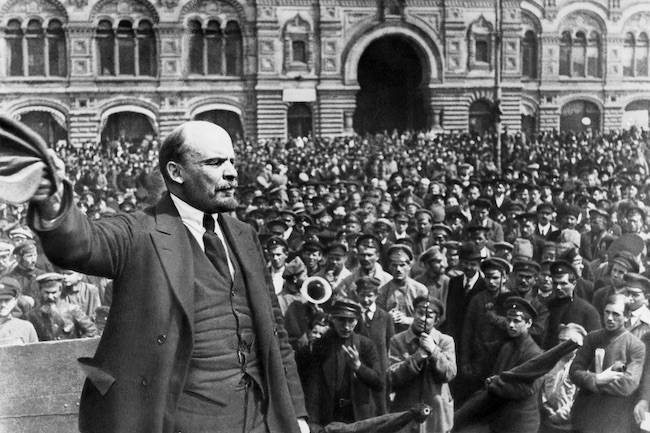
World War I had a profound impact on Russia, leading to political upheaval, social unrest, and ultimately, the collapse of the Russian Empire. As one of the major powers involved in the conflict, Russia experienced a range of consequences that reshaped the nation's destiny.
-
Military Losses and Economic Strain: Russia's involvement in World War I placed an enormous strain on the nation's resources and manpower. The Russian army suffered heavy casualties, with millions of soldiers losing their lives or being wounded. The loss of able-bodied men significantly affected the workforce and agricultural productivity, exacerbating food shortages and economic instability. The war effort drained the treasury, leading to inflation and an increasingly burdensome national debt.
-
Domestic Unrest and Political Instability: The strains of war intensified existing domestic tensions within Russia. The war exacerbated social inequalities, with the burden falling heavily on the working class and peasantry. Food shortages and rising prices fueled discontent among the population. Disillusionment with the autocratic rule of Tsar Nicholas II and his government grew, as public opinion held them responsible for the country's suffering.
-
The February Revolution: The cumulative effects of the war, coupled with widespread discontent, led to a wave of protests and strikes in Petrograd (now St. Petersburg) in February 1917. This uprising, known as the February Revolution, resulted in the abdication of Tsar Nicholas II and the establishment of a provisional government. The revolution, led by a diverse group of political factions, aimed to bring about political reforms and address the grievances of the people.
-
Bolshevik Revolution and the Rise of Communism: The October Revolution of 1917, led by Vladimir Lenin and the Bolshevik Party, marked a critical turning point in Russian history. The Bolsheviks seized power from the provisional government, establishing a socialist regime and eventually transforming Russia into the Soviet Union. The Bolshevik Revolution was fueled by a combination of Marxist ideology, opposition to the war, and the desire for radical change.
-
Treaty of Brest-Litovsk and Withdrawal from the War: Following the revolution, the new Soviet government pursued a policy of ending Russia's involvement in World War I. In 1918, they signed the Treaty of Brest-Litovsk with Germany, which resulted in significant territorial losses for Russia. The treaty allowed the Bolsheviks to consolidate power and focus on internal transformation, but it further fueled nationalist sentiment and resentment among the Russian population.
-
Social and Cultural Transformation: The aftermath of World War I and the Russian Revolution brought about significant social and cultural changes in Russia. The Bolsheviks implemented radical reforms, including the nationalization of industries, land redistribution, and the promotion of literacy and education. Women's rights saw advancements, and artistic expression flourished during the early years of the Soviet Union.
-
Lasting Consequences: The effects of World War I and the subsequent revolution in Russia were far-reaching. The Bolsheviks' consolidation of power and the establishment of a communist regime set the stage for decades of Soviet rule. The country underwent a period of economic and social transformation, but also faced repression, political purges, and the suppression of individual freedoms.