Effects of World War I on... |
| Europe |
| Great Britain |
| France |
| Russia |
| Germany |
| The United States |
| The Balkans |
| Middle East |
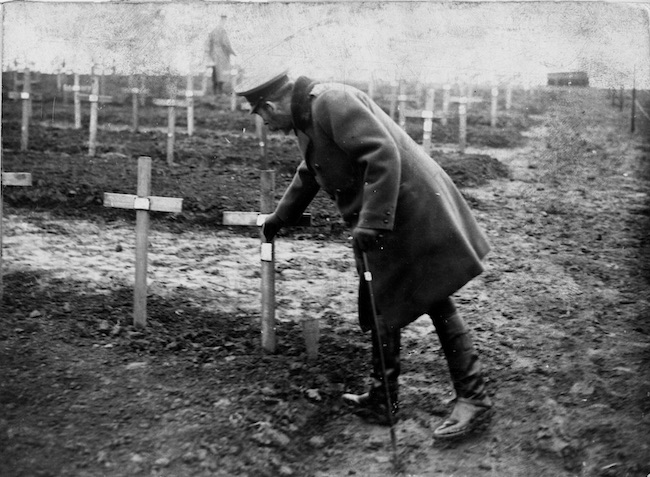
World War I had a profound impact on Great Britain, leaving an indelible mark on the nation's history, society, and identity. As one of the major Allied powers, Britain played a significant role in the conflict and experienced a range of consequences that shaped its trajectory.
-
Human Losses and Sacrifice: The war took a heavy toll on Britain, with over 700,000 military personnel losing their lives and countless others returning home injured or traumatized. The devastating loss of a generation of young men had a profound impact on families, communities, and the national psyche. The sacrifice made by British soldiers is commemorated to this day, symbolizing the bravery and resilience of the nation.
-
Industrial Mobilization: World War I prompted an unprecedented level of industrial mobilization in Britain. The demands of the war effort led to the expansion of industries, particularly in manufacturing and munitions production. Factories across the country were repurposed to produce war materials, while new technologies and techniques were developed to meet the needs of the military. This rapid industrialization contributed to economic growth and technological advancements.
-
Social Transformation: The war brought about significant social changes in Britain. The involvement of women in the workforce increased dramatically as they took on roles traditionally held by men, contributing to the advancement of women's rights and the suffrage movement. The war also exposed social inequalities, as working-class soldiers often faced harsh conditions and inadequate support compared to their wealthier counterparts. These disparities fueled demands for social reforms and laid the groundwork for future changes in British society.
-
Political Shifts: World War I had a profound impact on British politics. The war effort led to a broad coalition government, uniting various political parties under a unified leadership. This unity, however, was challenged by growing social unrest and demands for change. The war's aftermath saw a shift in political power, with the rise of the Labour Party and the growing influence of socialist ideas. These changes eventually contributed to the establishment of a welfare state and the expansion of democratic rights.
-
Financial Burden: The war placed a tremendous financial burden on Britain. The cost of maintaining a large military, providing for soldiers' welfare, and financing the war effort had severe economic consequences. The government raised taxes, borrowed heavily, and imposed economic controls to meet the financial demands. The post-war years were marked by economic challenges, including inflation and high unemployment rates.
-
Imperial Reckoning: World War I had far-reaching implications for Britain's imperial holdings. The conflict exposed weaknesses in the empire's ability to defend and govern its colonies effectively. The demands of the war, coupled with growing nationalist sentiments in colonized territories, challenged Britain's imperial dominance. The war's aftermath witnessed an increased focus on self-determination, eventually leading to the dismantling of the British Empire in the decades that followed.
-
Cultural Expression: The war had a profound influence on British literature, art, and culture. Writers such as Wilfred Owen, Siegfried Sassoon, and Virginia Woolf captured the brutal realities and psychological impact of war in their works. The war experience influenced artistic movements such as Dadaism and the Modernist literature that emerged in the post-war period. These cultural expressions reflected the disillusionment, trauma, and questioning of traditional values that marked the aftermath of the conflict.