Effects of World War I on... |
| Europe |
| Great Britain |
| France |
| Russia |
| Germany |
| The United States |
| The Balkans |
| Middle East |
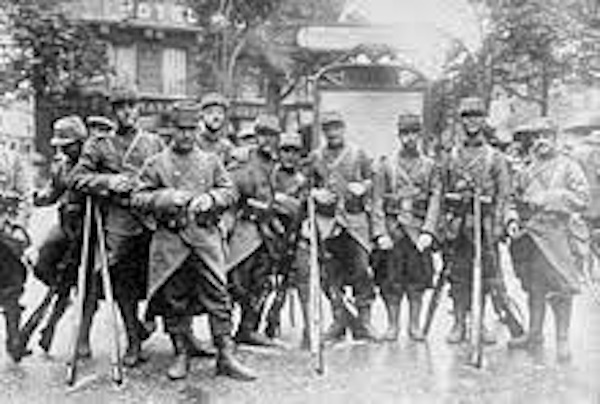
World War I had a profound impact on France, shaping its history and leaving a lasting imprint on the nation and its people. As one of the major Allied powers, France experienced significant political, social, and economic consequences as a result of the war.
-
Human Losses and Sacrifice: France paid a heavy price in terms of human losses during World War I. The war took a devastating toll on the French population, with over 1.3 million soldiers losing their lives and countless others injured or missing. The impact of these losses reverberated throughout French society, leaving deep scars and a profound sense of sacrifice and remembrance.
-
Battlefield Stalemate and Trench Warfare: France became the primary battleground on the Western Front, leading to the establishment of extensive trench systems that stretched for hundreds of kilometers. The brutal and grueling trench warfare exacted a heavy toll on French soldiers and civilians alike. The horrors of the front lines, including constant shelling, chemical warfare, and unimaginable living conditions, left a lasting impact on the collective memory of the nation.
-
National Unity and Resilience: Despite the challenges and hardships, World War I fostered a sense of national unity and resilience among the French people. The war effort galvanized the nation, transcending social divisions and uniting the French population in a common cause. The spirit of sacrifice, patriotism, and solidarity became defining characteristics of the French experience during the war.
-
Reconstruction and Economic Transformation: The war left France with significant infrastructural damage and economic hardships. Entire towns and villages were devastated, and the country's industrial capacity was severely affected. The post-war years saw a massive reconstruction effort, as France sought to rebuild its infrastructure, revive its industries, and address the economic repercussions of the conflict.
-
Political and Social Shifts: World War I brought about political and social shifts in France. The war was instrumental in weakening support for traditional institutions and contributed to the rise of left-wing political movements. It also fueled a growing discontent among the working class, leading to social unrest and the emergence of trade unionism. These shifts set the stage for subsequent political developments in France, including the rise of socialism and the increased influence of labor movements.
-
Treaty of Versailles and National Security: France played a crucial role in shaping the post-war settlement through the Treaty of Versailles. The treaty aimed to secure lasting peace and hold Germany accountable for the war. For France, the treaty was seen as a means to safeguard its national security and prevent future conflicts. However, some of the treaty's provisions, particularly the heavy reparations imposed on Germany, would contribute to tensions and eventual consequences in the years to come.
-
Cultural and Artistic Expression: The aftermath of World War I witnessed a surge of cultural and artistic expression in France. The war experience profoundly influenced French literature, art, and cinema. Artists and writers sought to capture and convey the realities of war, the loss of innocence, and the profound changes that had taken place in society. This period, known as the "Roaring Twenties," marked a vibrant era of creativity and intellectual exploration in France.