Wigmaker
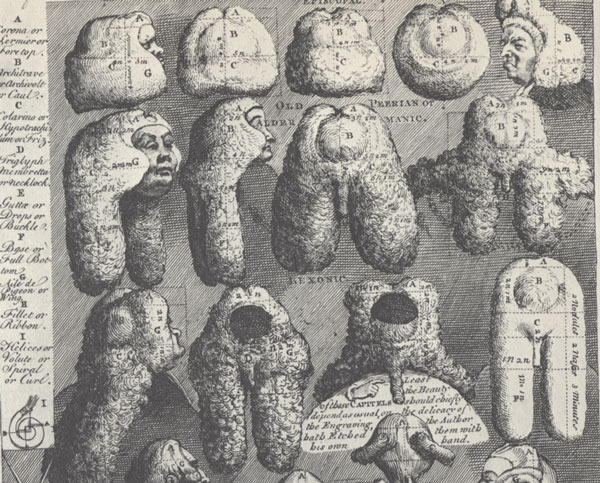
Wigmakers created and styled wigs and hairpieces for wealthy colonists. In colonial America, wearing a wig was often a visible sign of social status.
Wigs and Social Status in Colonial America
In affluent villages and cities, full of wealthy landowners and plantations, the wigmaker was very important. Wigmakers made perukes (wigs), queues (hair pieces that hung from the back of the head) and fashioned the hair of the elite. The ownership of a wig or several wigs was a sign of status in colonial America. In the Southern colonies, the ownership of wigs was so tied to social status that wealthy plantation owners bought wigs for enslaved people to wear.
Materials and Fashion
Wigs were made of horse, goat, or yak hair, and skillful wigmakers could customize a wig to the preferences of the customer or to the styles popular in London.
Wigmakers and the Courts
The wigmaker was especially busy when the courts were in session, as judges and attorneys each required their own specialized hairpieces.
Explore the Colonial Town
Click a shop or building on the map to learn about another colonial trade.
