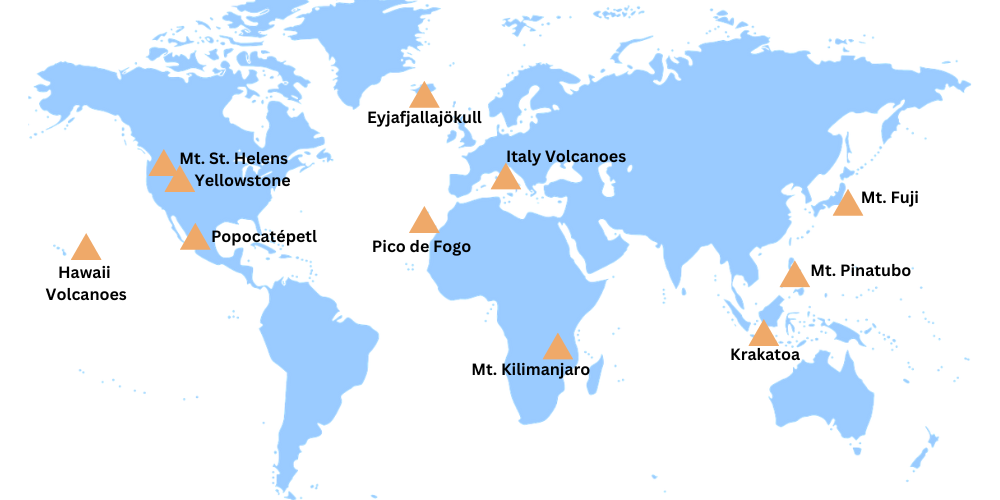
Pico de Fogo
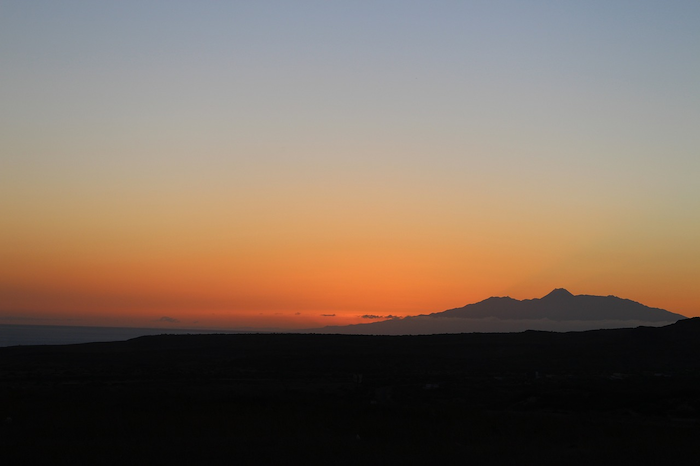
Pico de Fogo - Image Credit - https://pixabay.com/users/jeimo-2203552/
In the archipelago of Cape Verde, situated off the west coast of Africa, stands the impressive Pico de Fogo, a stratovolcano that dominates the landscape of Fogo Island. This natural wonder, with its towering peak and dramatic landscapes, holds both geological significance and cultural importance for the people of Cape Verde.
Geological Background
Pico de Fogo, also known simply as Fogo, is a stratovolcano that rises to an elevation of 2,829 meters (9,281 feet), making it the highest peak in Cape Verde. The volcano is characterized by its steep slopes and a prominent crater at its summit known as Cha das Caldeiras. Pico de Fogo is an active volcano, with its last eruption occurring in 2014-2015, leaving a lasting impact on the island's topography.
Formation and Structure
The formation of Pico de Fogo can be traced back to volcanic activity that shaped the Cape Verde archipelago over millions of years. The island of Fogo itself is primarily composed of volcanic rocks, and the stratovolcano has been built up through the accumulation of layers of lava, ash, and other volcanic debris.
Cha das Caldeiras, the vast caldera at the summit of Pico de Fogo, is a stunning geological feature. Within the caldera, one can find small villages, cultivated fields, and evidence of past eruptions. The rich volcanic soils make this area conducive to agriculture, supporting the livelihoods of the local population.
Cultural Significance
Pico de Fogo is not only a geological marvel but also holds deep cultural significance for the people of Cape Verde. The villages within Cha das Caldeiras are home to a vibrant community, and the locals have adapted to life in the shadow of the volcano. Agriculture thrives in the fertile volcanic soil, with vineyards, coffee plantations, and other crops dotting the landscape.
The annual pilgrimage to the summit of Pico de Fogo during the festival of São Filipe is a testament to the spiritual connection between the people and the volcano. Pilgrims climb to the summit as an expression of faith and tradition, further highlighting the intertwined relationship between the island's culture and its volcanic landscape.
World Volcanoes