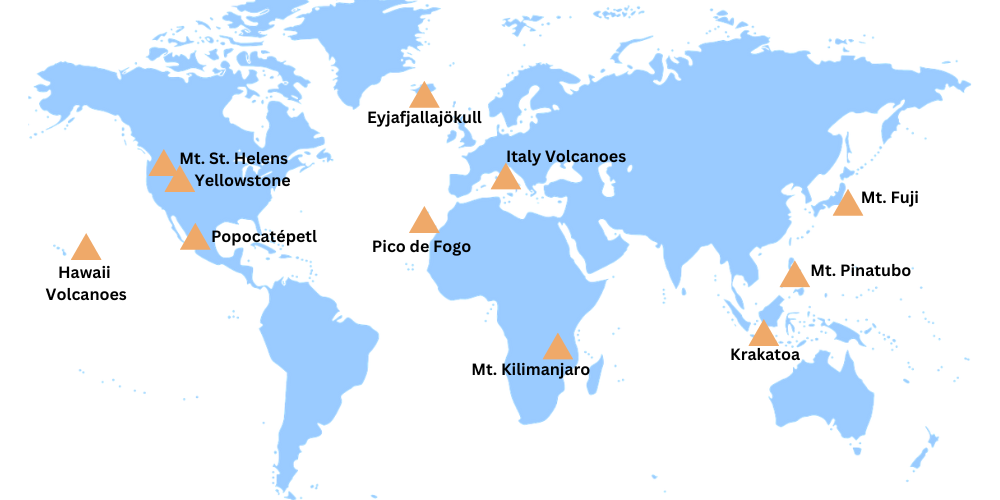
Mt. Fuji
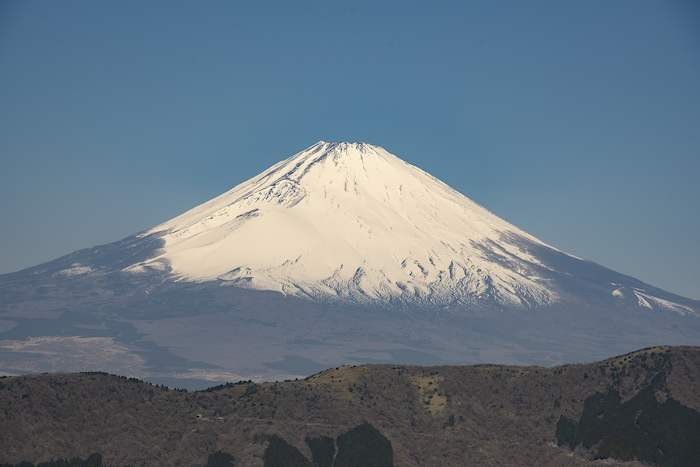
Mt. Fuji - Image Credit - https://pixabay.com/users/nick115-10240673/
Rising majestically on the Honshu Island of Japan, Mount Fuji stands as an iconic symbol of natural beauty and cultural significance. This stratovolcano, with its near-perfect cone shape, has captured the imaginations of artists, poets, and pilgrims for centuries.
Geological Background
Mount Fuji, or Fuji-san as it is affectionately known in Japan, is an active stratovolcano formed by the subduction of the Pacific Plate beneath the Philippine Sea Plate. Standing at an impressive 3,776.24 meters (12,389 feet), it is Japan's highest peak and one of the most recognizable volcanic landmarks globally.
The volcano is characterized by its symmetrical cone, formed through layers of ash, lava, and volcanic rocks over thousands of years. Despite being classified as an active volcano, Mount Fuji has not experienced a significant eruption since the Edo period (1603-1868). However, scientists continue to monitor its activity due to its geological nature.
Cultural Significance:
Mount Fuji holds profound cultural significance in Japanese history, art, and spirituality. Designated as a UNESCO World Cultural Heritage site in 2013, it has been a source of inspiration for countless poets, artists, and writers. The distinctive shape of Mount Fuji often appears in traditional Japanese art, literature, and poetry, representing both physical and spiritual beauty.
The volcano is a sacred site in Shintoism, Japan's indigenous religion, and is a prominent feature in many myths and legends. Pilgrims have historically climbed Mount Fuji as part of religious practices, seeking spiritual enlightenment and purification.
Tourist Attraction and Climbing Mount Fuji:
Mount Fuji attracts millions of tourists each year, both domestic and international, eager to witness its beauty up close. The climbing season typically runs from early July to early September when the weather conditions are most favorable. The most popular routes include the Yoshida Trail, Subashiri Trail, and Gotemba Trail, each offering unique perspectives of the surrounding landscape.
Climbers are rewarded with breathtaking panoramic views from the summit, with the Pacific Ocean to the southeast and the Japanese Alps to the northwest. The experience of watching the sunrise from the top of Mount Fuji, known as "Goraiko," is particularly revered and has become a cherished tradition among climbers.
World Volcanoes