A Silver Mining Magnate
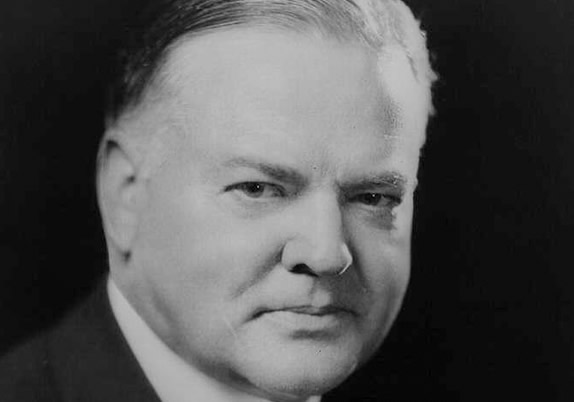
Herbert Clark Hoover was born on August 10, 1874, in a small town called West Branch, Iowa. By the time Herbert Hoover was just nine years old, he experienced a great deal of loss when his mother and father both died of unexpected illnesses. In elementary and high school, Hoover struggled to pass but had his sights set on being accepted to Stanford University. After barely passing the entrance exams, Hoover was accepted and majored in geology. Hoover spent his summers working as a geology assistant, but upon his graduation he eventually opened his own silver mine where he accumulated a great deal of wealth, making him a giant in this field.
The Great Humanitarian
While focusing on his mining business, Hoover also focused on helping people around the world and is often credited with being a great humanitarian. Before his political career, Hoover was asked by the US government to help get 120,000 US citizens out of Europe. Due to his various humanitarian efforts, he is often referred to as the “great humanitarian.”
Secretary of Commerce
Hoover first showed interest in running for president in 1920 but was blocked due to his support of the League of Nations, and Warren Harding was elected to office. Under the Harding presidency, Hoover was picked to be the Secretary of Commerce, a position which he held under the Coolidge administration as well. In 1928, Hoover was elected as America's 31st President by a record margin.
Unpopular Response to the Great Depression
Hoover will forever be tied to the Great Depression due to the Black Tuesday Stock Market Crash and unwillingness to use his political power to intervene and help the American people. Due to his conservative beliefs, Hoover believed the government should play a limited role in relief efforts and relied heavily on the idea of "rugged individualism," or the belief that the people would get themselves out of the Great Depression. Many of Hoover's plans did not work, and this led to the creation of terms like "Hoovervilles," or shantytowns.
Judged Harshly by History
Hoover was unsuccessful in his run for reelection and is remembered as being one of the most unpopular presidents in history. Herbert Hoover also has been criticized for speaking out against Franklin D. Roosevelt’s New Deal programs. Roosevelt and other presidents that followed Hoover lobbied for people to change their attitudes toward Hoover because the Great Depression started before and ended after his presidency.
Discussion Questions
- How did Hoover’s mining and engineering career contribute to his reputation before entering presidential politics?
- Why did Hoover become internationally known for humanitarian work during and after World War I?
- How does the verified Easier version complicate the claim that Hoover was simply unwilling to use federal power during the Great Depression?
- Why did the worsening Depression create major political difficulties for Hoover by 1932?