Trilobites
Anatomy and Characteristics:
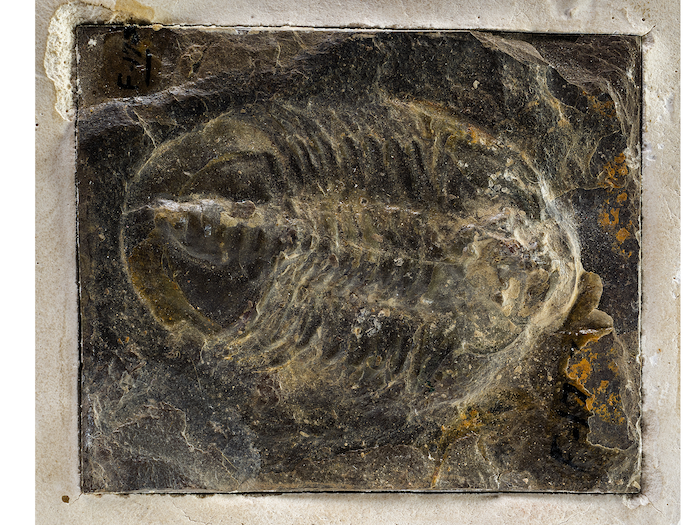
Trilobites, members of the class Trilobita, were characterized by a distinctive body plan, divided into three lobes – a central axial lobe and two lateral pleural lobes. Their exoskeletons, composed of chitin and minerals, were divided into a head (cephalon), a body (thorax), and a tail (pygidium). These creatures ranged in size from a few millimeters to over 70 centimeters, showcasing an incredible diversity of forms.
The trilobite exoskeleton played a crucial role in their success, providing protection and support. It also facilitated molting, a process where trilobites shed their exoskeleton as they grew, leaving behind well-preserved fossils for modern paleontologists to study.
Diversity of Trilobites:
Trilobites exhibited remarkable diversity, with approximately 20,000 described species spanning various shapes and sizes. They occupied a wide range of ecological niches, from shallow coastal waters to deep-sea environments. Some trilobites were active predators, equipped with well-developed eyes and strong limbs for hunting, while others were filter feeders or scavengers.
Notable genera include the iconic trilobites of the genus Phacops, known for their distinctive compound eyes, and the spiny trilobites of the genus Acanthopyge. Each genus and species had unique adaptations that allowed them to thrive in specific environments, contributing to the overall success of the trilobite group.
Paleobiogeography and Extinction:
However, like many other ancient organisms, trilobites eventually faced extinction. The exact cause of their demise remains a subject of scientific investigation, with factors such as climate change, sea-level fluctuations, and competition with other marine organisms being considered. The end-Permian mass extinction, one of the most significant extinction events in Earth's history, marked the conclusion of the trilobite era.
Significance of Trilobite Fossils:
Trilobite fossils are crucial for understanding the Earth's ancient environments, biodiversity, and the processes that shaped life over millions of years. Their well-preserved exoskeletons provide valuable information about ancient ecosystems, climate conditions, and the interplay between different species.
Furthermore, trilobites serve as index fossils, aiding geologists in dating rock formations and reconstructing the sequence of events in Earth's history. The study of trilobites has played a pivotal role in the development of paleontology as a scientific discipline.