Tertiary Period
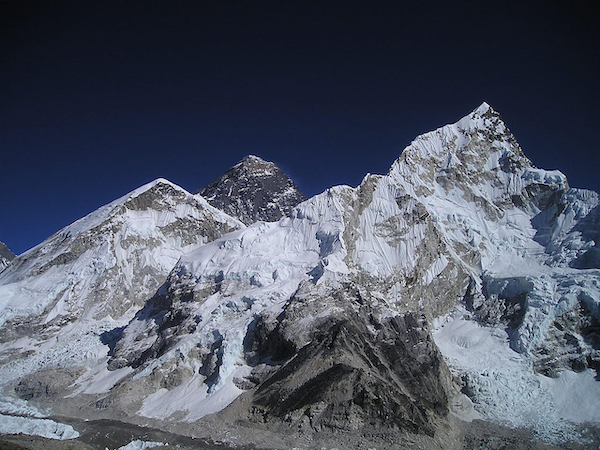 |
| The Himalayan Mountains - which formed during the Tertiary Period |
Image Credit: National Park Service - Public Domain |
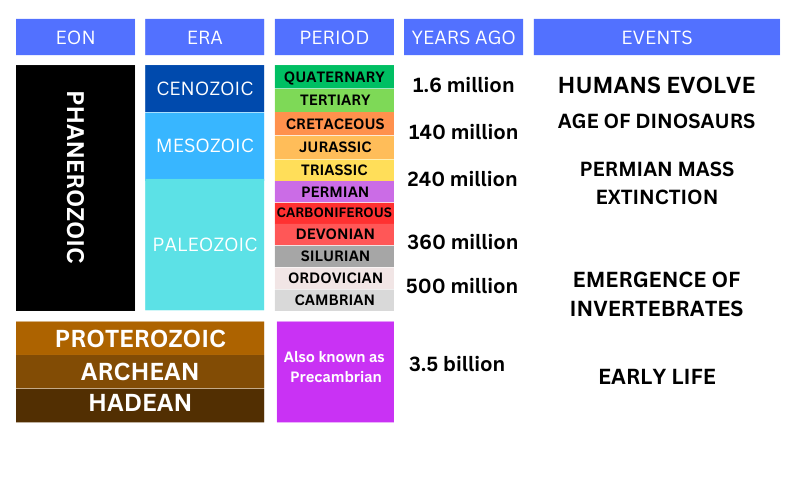
The Tertiary Period, which spanned from approximately 66 to 2.6 million years ago, stands as a transformative chapter in Earth's history, marked by significant geological and biological developments. This epoch, also known as the Cenozoic Era, follows the tumultuous events of the Mesozoic, including the mass extinction that marked the end of the dinosaurs, and heralds the rise of mammals, the evolution of grasslands, and the emergence of the modern ecosystems that we recognize today.
Geological Context
The Tertiary is divided into two subperiods: the Paleogene (66 to 23 million years ago) and the Neogene (23 to 2.6 million years ago). The period witnessed the drifting apart of continents, the formation of the Himalayas, and profound changes in climate.
Mammalian Dominance
One of the defining features of the Tertiary Period is the ascent of mammals to ecological prominence. With the extinction of the dinosaurs at the end of the Cretaceous, mammals diversified and occupied various ecological niches. This period saw the emergence of diverse mammalian groups, including primates, carnivores, ungulates, and rodents. Notably, ancestral forms of familiar modern mammals, such as horses and whales, made their debut during the Tertiary.
Grasslands and the Evolution of Grazers
The expansion of grasslands during the Tertiary had a profound impact on the evolution of mammalian herbivores. Grasses, which first appeared in the late Cretaceous, became more widespread during the Tertiary, leading to the evolution of specialized grazers with high-crowned teeth, adapted for grinding and processing tough plant material. This ecological shift influenced the development of diverse ecosystems and predator-prey relationships.
Climate Changes
The Tertiary Period was marked by significant climate fluctuations, including periods of global warming and cooling. The Eocene, a subdivision of the Paleogene, was notably warm, fostering the growth of tropical forests in polar regions. However, the later Oligocene and Miocene witnessed a cooling trend, culminating in the glaciations of the Neogene.
Marine Evolution
In addition to terrestrial changes, the Tertiary saw significant developments in marine life. The oceans teemed with diverse marine mammals, including early whales and seals. Coral reefs continued to thrive, and the evolution of foraminifera and other marine microorganisms left a rich fossil record that provides insights into ancient oceanic conditions.
The Impact of the Tertiary on Modern Ecosystems
The Tertiary Period set the stage for the development of modern ecosystems. The emergence of flowering plants, the evolution of mammals, and the formation of complex food webs laid the foundation for the ecosystems we see today. The adaptive radiations and ecological interactions during the Tertiary have influenced the distribution and behavior of contemporary life forms.
The Tertiary-Cretaceous Extinction
While not as well-known as the Cretaceous-Paleogene extinction, the Tertiary-Cretaceous extinction event occurred around 35 million years ago. It was associated with changes in oceanic circulation, marine regression, and alterations in global climate, leading to the extinction of various marine species.