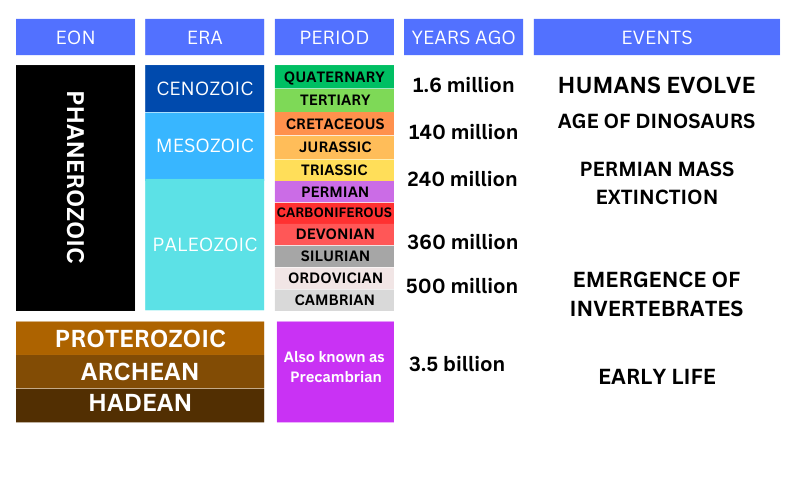
Silurian Period
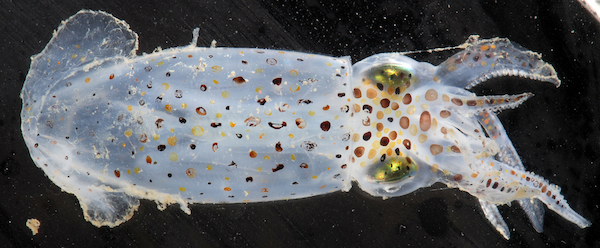 |
| Cephalopod |
Image Credit: National Park Service - Public Domain |
The Silurian Period, spanning from approximately 443 to 419 million years ago, represents a pivotal chapter in Earth's history, marked by significant geological and biological events. Named after the Celtic tribe of the Silures, this period witnessed the continuation of life's journey through the seas, with marine environments playing a central role in the evolutionary drama unfolding on the planet.
Global Geography and Climate
During the Silurian, Earth's continents were still in relatively close proximity, forming the supercontinent Gondwana. Shallow seas covered vast expanses, fostering the development of diverse marine ecosystems. The climate was generally warm, with evidence suggesting a greenhouse world where glaciers were largely absent, contributing to stable sea levels.
Marine Revolution
The Silurian is often hailed as a time of marine revolution. Primitive marine life forms, such as algae and simple invertebrates, continued to evolve and diversify. Notably, the Silurian saw the rise of jawed fish, a significant step in the evolution of vertebrates. These early fish, like the jawed armoured fish known as placoderms, played a crucial role in shaping the future of aquatic life.
The First Land Plants
While marine life flourished, the Silurian also witnessed a groundbreaking event in the evolution of terrestrial ecosystems—the emergence of the first land plants. These early plants, like Cooksonia, were small and lacked leaves, but their presence marked a critical transition from life confined to the seas to the colonization of the land.
Silurian Fauna
In addition to the development of jawed fish, the Silurian boasted a diverse array of marine life. Brachiopods, trilobites, and cephalopods were abundant, contributing to the overall biodiversity of marine ecosystems. The Silurian reefs were dominated by corals and calcareous sponges, providing habitats for a variety of invertebrates.
Mass Extinction and Recovery
While not as renowned as some later mass extinctions, the Silurian did witness significant ecological shifts. A mid-Silurian event, known as the Ireviken event, caused a decline in some marine species, particularly in brachiopods and trilobites. However, life rebounded, and new species emerged, paving the way for the continued evolution of complex ecosystems.
Legacy and Significance
The legacy of the Silurian Period lies in its role as a bridge between the early Paleozoic era and the evolutionary events that would unfold in subsequent periods. The rise of jawed fish and the colonization of land by plants set the stage for the further diversification of life in the Devonian Period. Additionally, the Silurian's influence on marine life and ecosystems laid the groundwork for the flourishing of coral reefs and the subsequent development of complex marine communities.