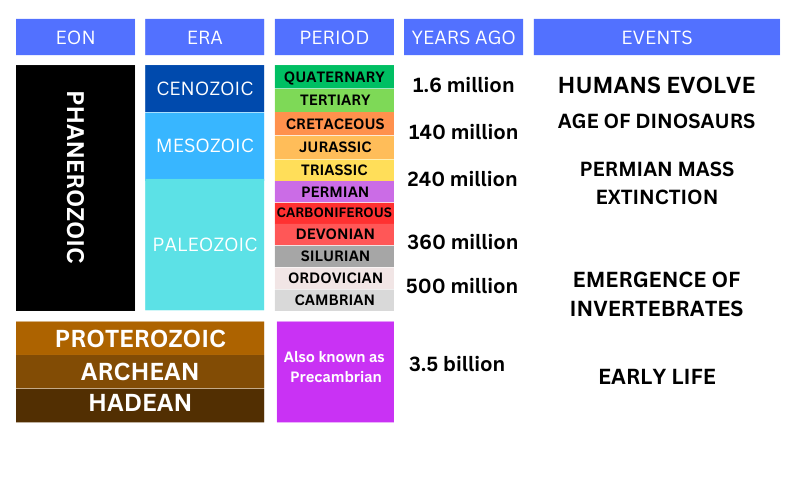
Ordivician Period
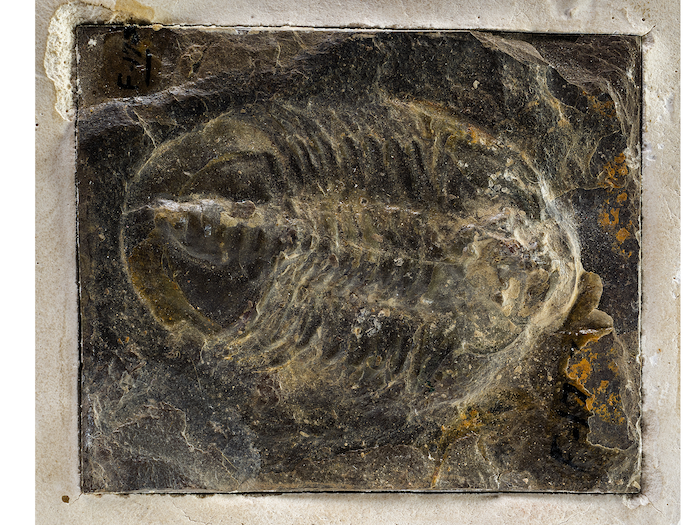 |
| Trilobite Fossil |
Image Credit: National Park Service - Public Domain |
The Ordovician Period, spanning from approximately 485 to 443 million years ago, holds a unique place in Earth's history as a time of significant geological and biological transformations. Named after the Celtic tribe of the Ordovices, this period witnessed the evolution of diverse marine life forms and marked key events that shaped the trajectory of life on our planet.
Geographical and Climatic Overview
During the Ordovician, Earth's continents were still amalgamated into the supercontinent Gondwana and the smaller continent of Laurentia. The climate was generally warm, with vast shallow seas covering much of the globe. These shallow seas played a pivotal role in the flourishing of marine life, giving rise to a myriad of complex ecosystems.
Evolution of Marine Life
The Ordovician is often referred to as the "Age of Trilobites," as these iconic arthropods reached their peak diversity during this period. Trilobites, with their distinctive segmented exoskeletons, were just one among a plethora of marine organisms that thrived in the Ordovician seas. Brachiopods, cephalopods, and primitive jawless fish also made their appearance, contributing to the growing complexity of marine ecosystems.
The Great Ordovician Biodiversification Event (GOBE)
One of the most remarkable aspects of the Ordovician was the Great Ordovician Biodiversification Event (GOBE). This event, spanning approximately 20 million years, saw a significant increase in the diversity and complexity of marine life. The reasons behind this explosion of biodiversity are not fully understood, but factors such as environmental changes and increased availability of ecological niches likely played a role.
Mass Extinctions and Glaciations
Despite the flourishing of life, the Ordovician also witnessed two distinct mass extinctions, although they were not as severe as some later events. The Hirnantian mass extinction, near the end of the period, coincided with a series of glaciations, marking the onset of a global ice age. These climatic shifts had profound effects on marine life and ecosystems, setting the stage for the subsequent Silurian Period.
Legacy and Significance
The legacy of the Ordovician Period lies not only in the diversity of marine life it fostered but also in its role as a precursor to the more significant evolutionary events that followed. The marine communities established during the Ordovician provided the foundation for the diverse ecosystems that would emerge in the subsequent periods, shaping the course of life on Earth.