Engineering Marvels: The Intricate Art of Beaver Dam Construction
Beavers, renowned for their remarkable engineering prowess, exhibit unparalleled skills in constructing dams, reshaping landscapes, and fostering diverse ecosystems.
The Purpose of Beaver Dams:
Beaver dams serve a myriad of purposes, illustrating the adaptability and resourcefulness of these creatures. Primarily, these structures create pond habitats, providing safety from predators and facilitating easy access to food. Dams also regulate water levels, ensuring a constant, suitable environment for beavers. Furthermore, the altered landscape enriches biodiversity, benefiting various plants and animals.
Dam Components:
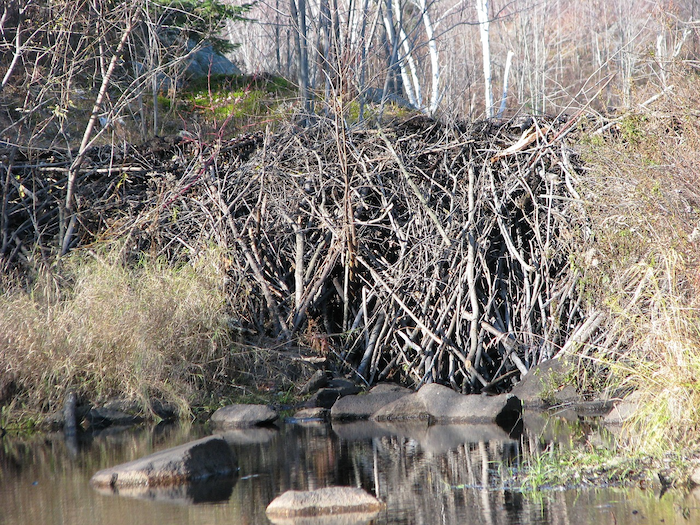
Beaver dams are composed of a combination of natural materials such as branches, logs, mud, and rocks. The choice of materials and the dam's structure depend on the beavers' environmental surroundings and the specific challenges they face.
1. Logs and Branches: Beavers primarily use logs and branches to construct the main framework of their dams. These materials are often harvested from nearby trees, showcasing the beavers' adept ability to fell and transport sizable woody debris.
2. Mud and Stones: Mud is a crucial component in dam construction. Beavers use their forepaws to apply mud, creating a water-resistant seal. Stones may also be incorporated into the structure to add stability and strength to the dam, particularly in areas with swift water flow.
Beaver Dam - Photo Credit: https://pixabay.com/users/bernell-2855442/ |
Construction Process:
Beaver dam construction is a systematic and cooperative process involving the entire family unit. The process can be broken down into several key stages:
1. Site Selection: Beavers meticulously choose dam sites based on water flow, depth, and proximity to food sources. Ideal locations are often in narrow valleys or stream channels.
2. Material Collection: Beavers use their powerful jaws and sharp teeth to fell trees and collect branches. Working as a team, they transport materials to the construction site using a combination of dragging, floating, and pushing.
3. Framework Assembly: The framework of the dam takes shape as beavers strategically position logs and branches. The dam is constructed against the natural flow of the water, creating a pond behind it.
4. Mud Application: Beavers use mud to seal gaps and cracks in the dam, providing a water-tight seal. This meticulous application helps reinforce the structure and prevent water leakage.
5. Maintenance: Beaver dams are not static structures; beavers continually maintain and repair them. Regular additions of new materials, especially during periods of high water flow or damage, ensure the dam's durability.
Ecological Impact:
The influence of beaver dams on ecosystems is profound. These structures create wetlands, fostering biodiversity by providing habitats for fish, amphibians, insects, and waterfowl. The altered landscape also contributes to nutrient cycling and water purification.